All Categories
Featured
Table of Contents
For smaller organizations, "Robotics-as-a-Service" (RaaS) designs have made this innovation available without huge upfront capital., these machines do not simply move boxesthey anticipate maintenance needs and enhance paths in real-time.
Worldwide cloud costs has actually hit an enormous $1.3 trillion, but the trend isn't just "all-in" on public cloud. For large business, facilities speed is a direct ranking factor.
HCI incorporates compute, storage, and networking into a single software-defined platform. This enables companies to have the agility of the cloud with the security and "immediacy" of on-premises hardware. Meanwhile, is fixing the latency problem. By processing data at the sourceon the factory floor or inside a wise vehiclebusinesses can act on technology patterns for service without waiting for information to take a trip to a remote information center and back.
Legacy IT Vs Modern Solutions
Looking towards completion of the years, the landscape ends up being a lot more decentralized and sustainable. We are moving far from the "move quickly and break things" period into an era of "relocation quick and sustain things." This shift is especially obvious in how big business manage their digital existence. SEO is no longer a siloed marketing function; it is a core element of the business technology stack, requiring deep integration with information science and facilities teams.
Is Your Infrastructure Holding Back Australian Market Expansion?Unlike smaller websites, enterprise sites frequently handle countless URLs, complex internationalization, and legacy subdomains. To carry out well, these companies need to concentrate on three important pillars: Programmatic SEO, Technical Crawl Efficiency, and E-E-A-T (Experience, Competence, Authoritativeness, and Dependability) at scale. includes using data-driven templates to create high-quality, useful pages for thousands of long-tail search inquiries.
Is Your Infrastructure Holding Back Australian Market Expansion?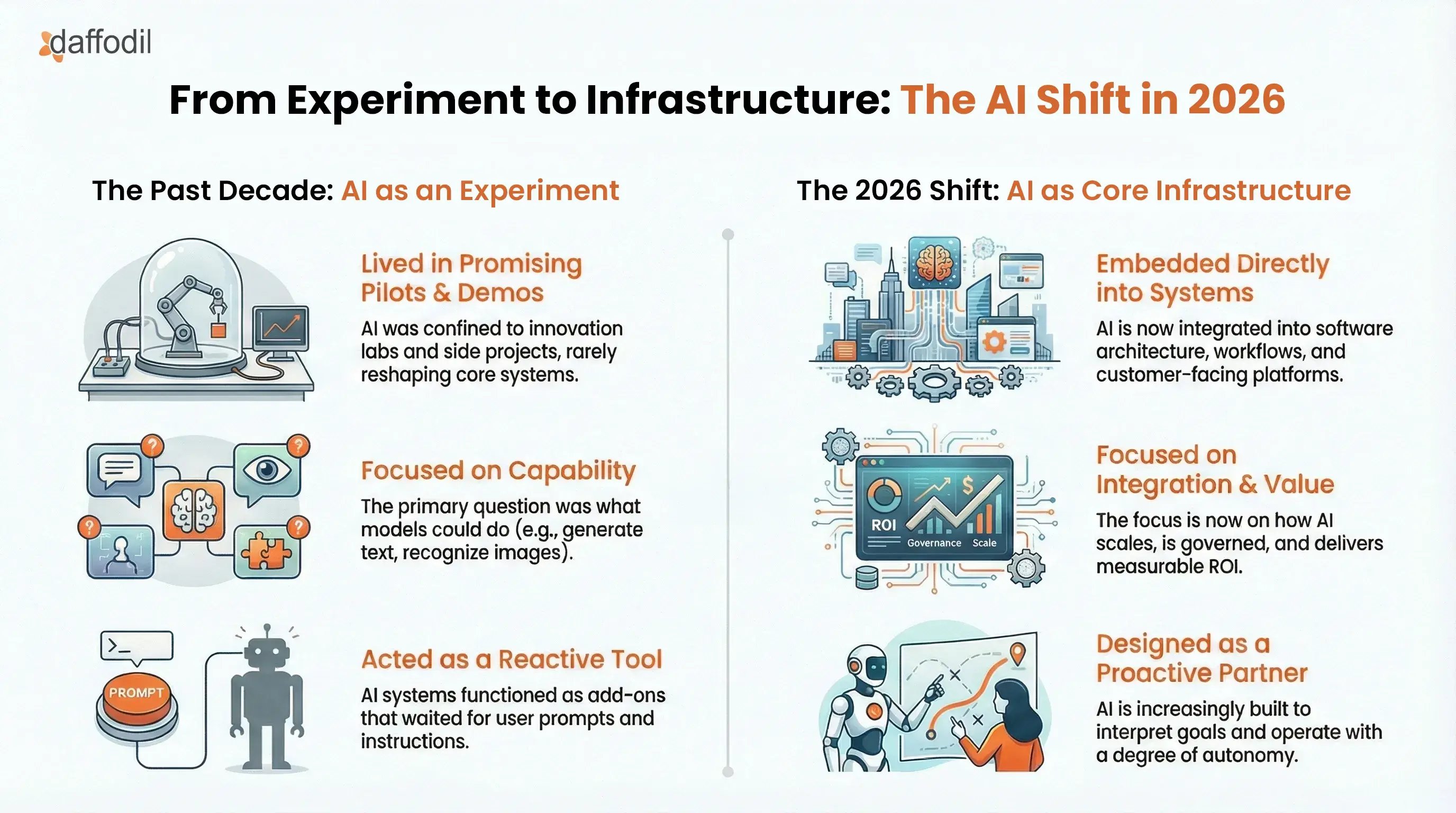
The key is making sure that these pages provide genuine value and are not simply "doorway pages," which online search engine now punish heavily. By leveraging the SLMs discussed earlier, big companies can generate distinct, contextually pertinent content for these pages that satisfies both user intent and search algorithms. is the 2nd pillar.
Future-ready business use innovative server-side making and edge SEO to provide pre-rendered pages to bots, guaranteeing that every second of crawl time is spent on revenue-generating material. Carrying out a robust internal linking structure using AI-driven recommendations can assist distribute "link equity" more effectively throughout an enormous domain. needs a centralized technique to brand name authority.
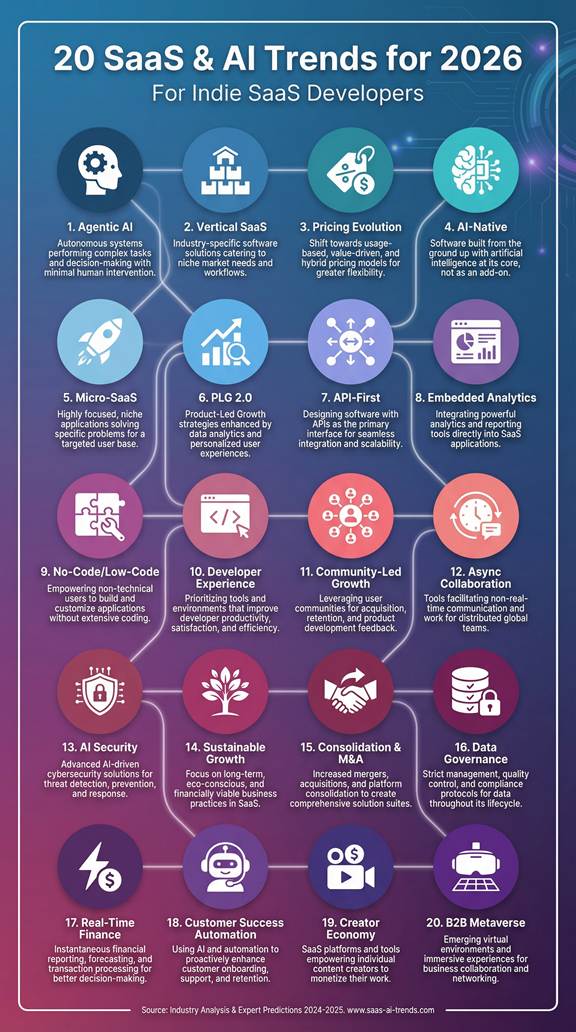
This sustainability also impacts SEO; search engines have begun to aspect in the carbon footprint of digital services, preferring business that show environmental duty in their IT operations. Concurrently, is getting out of the theoretical realm. While we aren't all using quantum laptops yet, hybrid classical-quantum systems are already being utilized for complicated logistics optimization and drug discovery.
The Strategic Playbook for Digital Success
For large companies, quantum-enhanced data analysis will enable a level of SEO precision previously believed impossible, such as anticipating search pattern shifts weeks before they happen based on worldwide financial indications. In the world of trust, and Web3 are growing. We've moved past the buzz of digital antiques into "trustless" systems for supply chain openness and fractional property ownership.
These decentralized systems supply a brand-new layer of verifiable information that can be utilized to bolster a business's E-E-A-T, as blockchain-verified qualifications become a requirement for digital authority. The "token economics" of running massive AI models can lead to regular monthly costs in the tens of millions if not handled correctly.
For SEO, this suggests computing the ROI of technical improvements not simply in terms of traffic, however in terms of infrastructure performance and client acquisition cost. Cybersecurity has actually likewise entered a "machine-vs-machine" phase. With 81% of little services experiencing a breach in the last yearand AI-powered attacks included in over 40% of casesdefensive AI is now necessary.
This sustainability likewise affects SEO; search engines have actually started to element in the carbon footprint of digital services, favoring business that show ecological obligation in their IT operations. At the same time, is getting out of the theoretical world. While we aren't all using quantum laptops yet, hybrid classical-quantum systems are already being used for complicated logistics optimization and drug discovery.
Mastering the Future 2026 Landscape
For big business, quantum-enhanced information analysis will enable a level of SEO precision previously believed impossible, such as anticipating search trend shifts weeks before they happen based upon global financial indications. In the realm of trust, and Web3 are growing. We have actually moved past the hype of digital collectibles into "trustless" systems for supply chain transparency and fractional genuine estate ownership.
These decentralized systems offer a new layer of verifiable information that can be used to bolster a company's E-E-A-T, as blockchain-verified credentials end up being a requirement for digital authority. Scaling these technologies isn't without its "growing discomforts." Facilities costs are the primary concern for CIOs in 2026. The "token economics" of running massive AI designs can result in month-to-month bills in the tens of millions if not managed correctly.
For SEO, this suggests computing the ROI of technical improvements not simply in terms of traffic, however in terms of infrastructure performance and client acquisition cost. Cybersecurity has actually likewise gone into a "machine-vs-machine" stage. With 81% of small companies experiencing a breach in the last yearand AI-powered attacks associated with over 40% of casesdefensive AI is now necessary.

Latest Posts
Enhancing Enterprise ROI With Cloud Modernization
Unlocking Business Growth Using Modern AI Platforms
Essential Technology Trends in AI-Cloud Integration