All Categories
Featured
How Deep Convergence Is Vital for 2026
Table of Contents
Desire to find out more about O1, EB1A and EB5? Set up a free assessment- Join our neighborhood to get very first access to roles and referrals - - Follow to remain updated on high-skilled immigration, tasks, and tech.
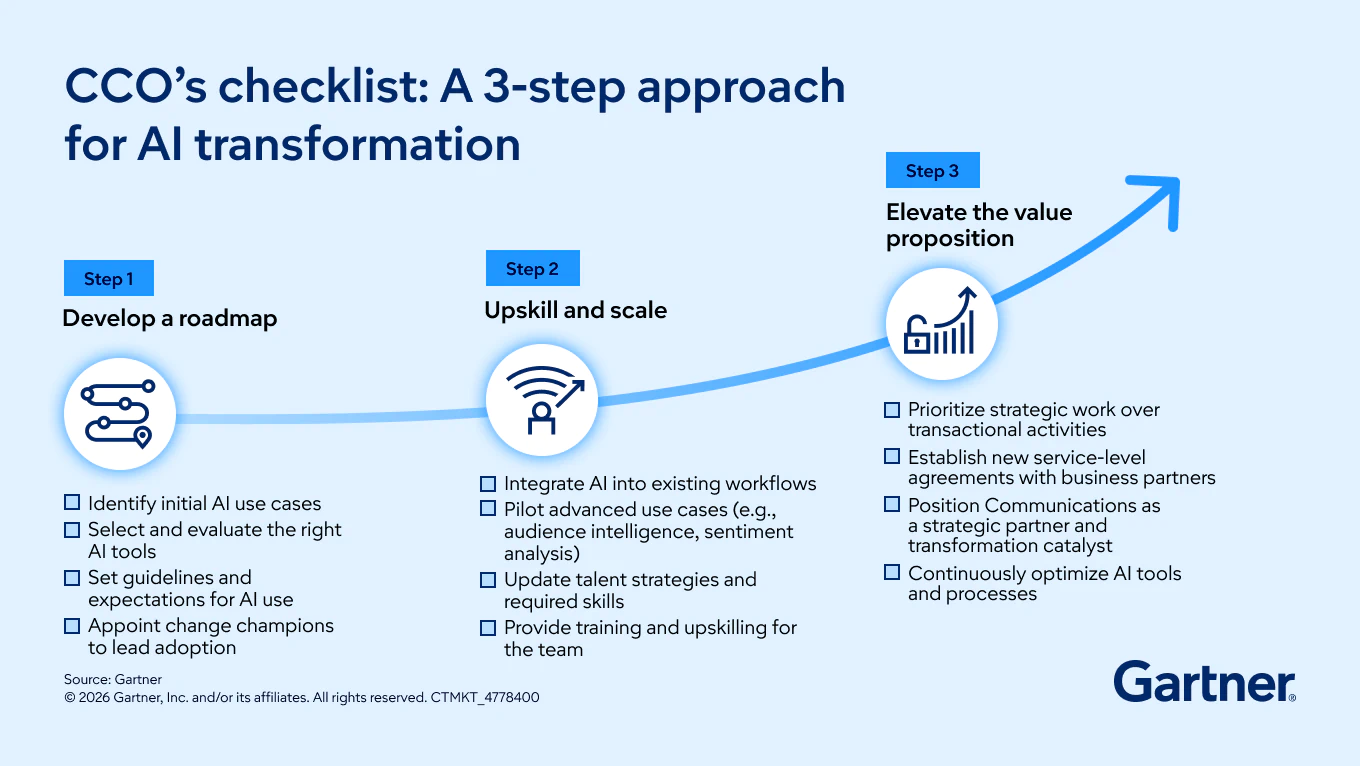
Develop a scalable AI technique based on insights from effective IT leaders and company choice makers. In, you'll discover finest practices throughout 5 motorists of success including: Make sure AI projects align to business goals.
Release AI that fulfills security, personal privacy, and regulative requirements.
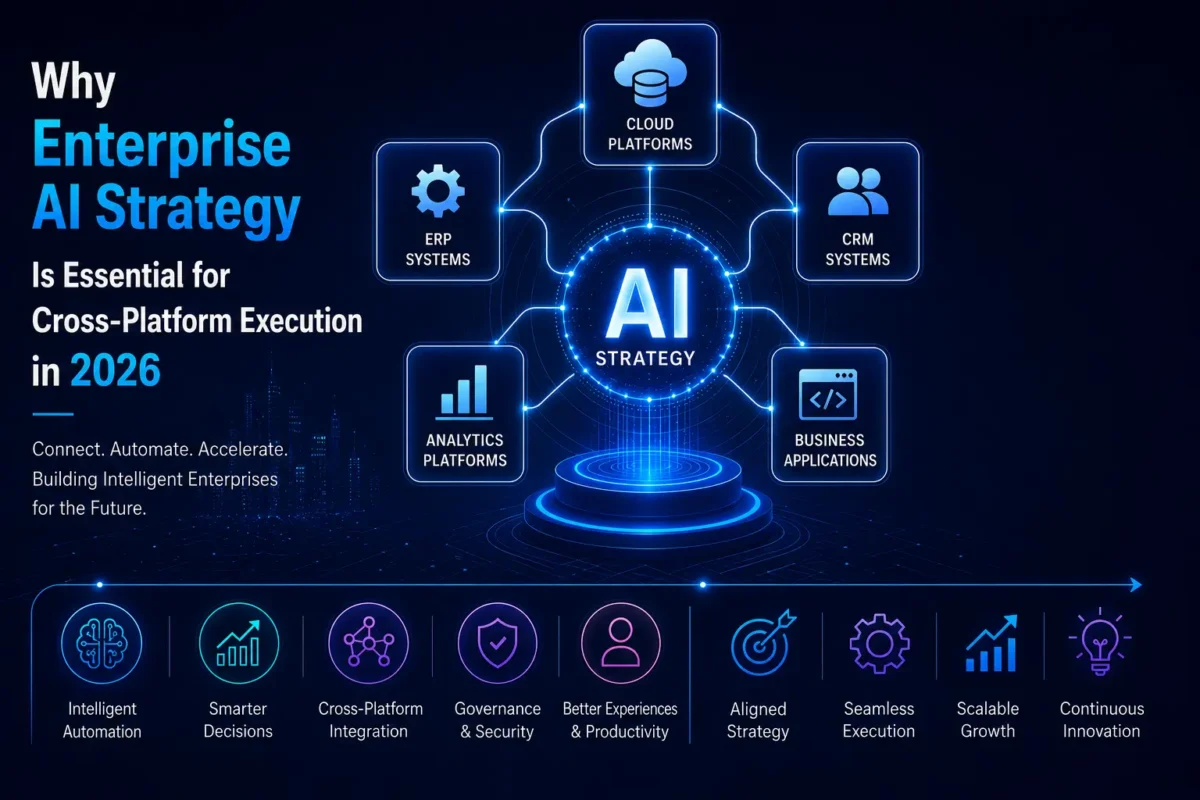
Leading Enterprise Shift Through AI Adoption ModelsIn 2026, organizations will not ask whether they must adopt AI, but rather how efficiently and properly they can embed it into every layer of their organization. The idea of enterprise AI adoption is no longer limited to automating a couple of procedures; it represents an essential shift in how business think, choose, run, and grow.
Leading Enterprise Change Through Strategic Adoption Roadmaps
It likewise describes a total AI application method, introduces a scalable AI adoption framework, and lays out tested enterprise AI finest practices that companies should follow to succeed in the next generation of digital organization. An AI roadmap 2026 is a structured and positive strategy that specifies how a company will adopt, scale, and govern synthetic intelligence over the next couple of years.
The importance of an AI roadmap lies in its capability to bring clearness and positioning. Without a roadmap, business frequently invest in numerous disconnected AI tools that fail to provide measurable business value. A roadmap, on the other hand, assists leaders recognize top priorities, designate resources efficiently, manage dangers, and procedure development gradually.
A distinct AI adoption framework provides a structured model for assisting enterprises through the complex journey of AI change. This framework makes sure that AI adoption is methodical, scalable, and sustainable instead of fragmented and reactive. The most reliable AI adoption structure for 2026 consists of six interconnected stages: tactical positioning, data readiness, usage case design, AI development, governance, and scaling.
This structure is not direct but iterative. Enterprises continuously fine-tune their AI technique based on new information, developing company objectives, regulative modifications, and technological advancements. The first and most important action in business AI adoption is establishing a clear strategic vision. Many companies make the mistake of beginning with innovation choice rather of specifying the organization issues they desire to solve.
In this stage, magnate must recognize how AI supports their long-lasting goals, whether it is enhancing client satisfaction, increasing income, minimizing operational costs, or boosting risk management. AI efforts need to be lined up with corporate strategy, market positioning, and competitive distinction. Strong executive sponsorship is necessary at this phase. AI transformation requires cultural change, investment, and cross-department collaboration, which can not prosper without management dedication.
Building Agile AI-First Strategies in 2026
Information is the lifeline of AI. Without premium, available, and well-governed information, even the most sophisticated AI systems will fail.
Enterprises must purchase centralized information platforms, cloud or hybrid facilities, real-time information pipelines, and strong information governance frameworks. Data personal privacy, security, and compliance with regulations such as GDPR and emerging AI laws should likewise be integrated into the data technique. This phase ensures that AI systems are built on trusted, ethical, and scalable information foundations.
Not every process ought to be automated, and not every problem needs AI. Smart enterprise AI adoption focuses on usage cases that provide quantifiable service impact.
How Deep Convergence Is Vital for Modern Business
Each usage case should be evaluated based on company value, technical expediency, data accessibility, and risk. Enterprises ought to begin with workable projects that demonstrate fast wins, build internal self-confidence, and produce momentum for larger initiatives. This phase involves structure, training, and releasing AI models into real service environments. It consists of selecting proper maker knowing techniques, training models on business data, testing performance, and integrating AI systems with existing applications.
Magnate should understand how AI reaches choices to ensure trust and accountability. Release needs to be supported by MLOps practices, which automate design monitoring, retraining, variation control, and performance optimization. This guarantees that AI systems remain accurate, pertinent, and secure over time. As AI becomes more effective, governance becomes more crucial.
An enterprise-level AI governance framework includes clear accountability structures, ethical guidelines, danger evaluation processes, and human oversight systems. This ensures that AI systems line up with organizational values, legal standards, and social expectations.

Latest Posts

Enhancing Enterprise ROI With Cloud Modernization

Unlocking Business Growth Using Modern AI Platforms
Essential Technology Trends in AI-Cloud Integration