All Categories
Featured

Is Your Organization Ready for 2026?
Table of Contents
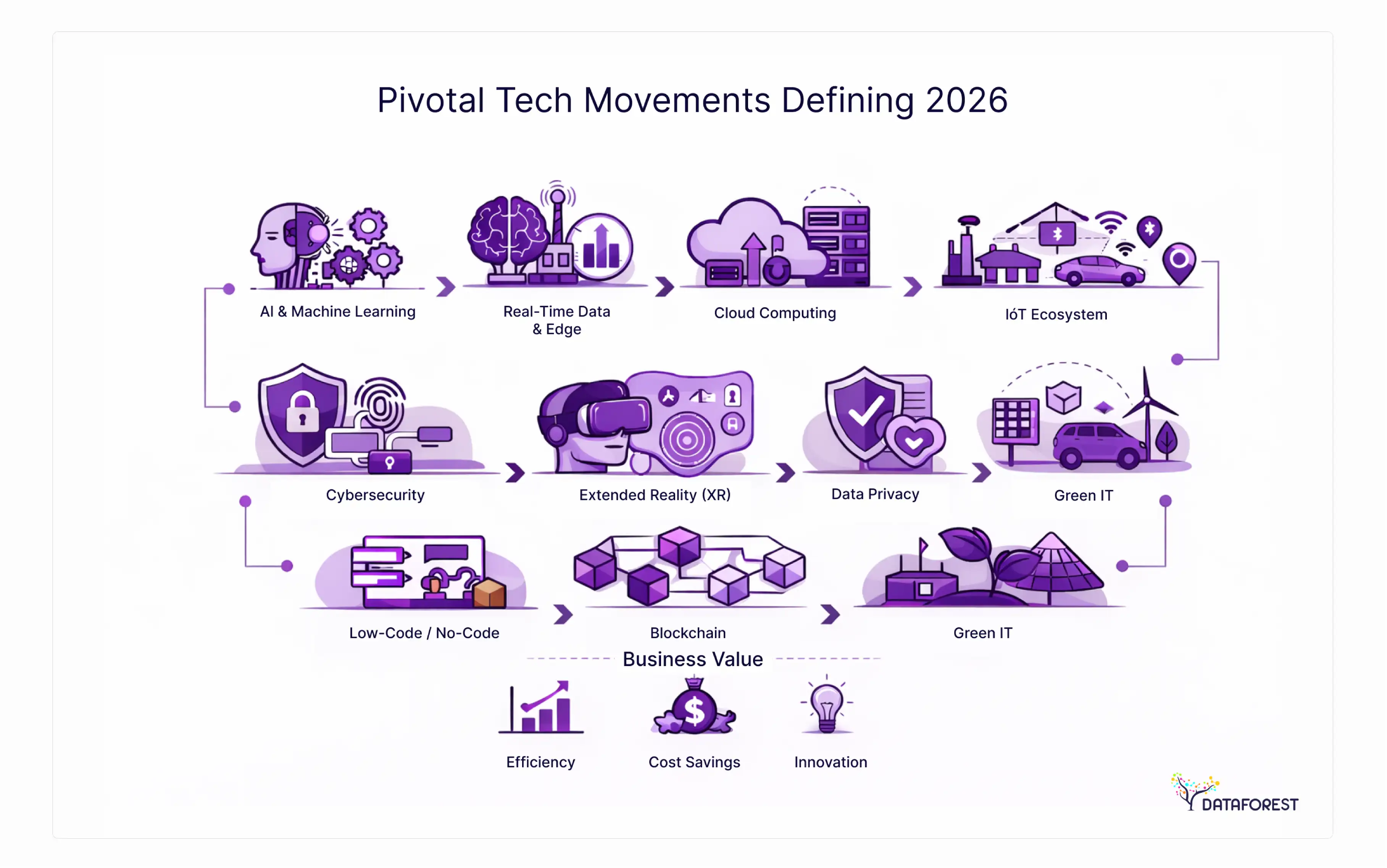
Transferring to the cloud isn't enoughreal worth originates from rearchitecting apps and welcoming cloud-native technologies to improve performance, dexterity, and development. With flexible scalability, much faster releases, and on-demand provisioning, cloud empowers businesses to react quickly to market shifts and client demands. Cloud transformation gets rid of in advance infrastructure financial investments, decreases maintenance costs, and enables pay-as-you-go flexibilitymaximizing ROI.
AI-driven cloud services help automate workflows, derive real-time insights, and drive personalizationunlocking new growth and operational effectiveness. Organizations are progressively leveraging both multi-cloud and hybrid cloud strategies to make sure flexibility, decrease vendor lock-in, and increase resilience. From IT abilities development to stakeholder positioning, successful cloud initiatives depend upon internal education, change management, and leadership buy-in.

Leaders across industries have scaled worldwide, innovated much faster, and improved customer experience through tactical cloud change. With automated information discovery, category, gain access to control, and remediation across hybrid and multi-cloud environmentsBigID allows safe and secure, scalable cloud adoption. In today's quickly evolving digital landscape, organizations are constantly challenged to adapt, innovate, and stay ahead of the curve.
Key Benefits for Implementing Transformative AI TechHow to Successfully Optimize Your Cloud Integration Journey
In this extensive blog site, we embark on a journey to explore the transformative power of cloud transformation, diving into its meaning, methods, benefits, and much more. Join us as we break down the complexities of cloud computing and find how it can drive your company towards success.
It includes leveraging cloud computing technologies to improve agility, scalability, and performance, ultimately allowing companies to adapt to changing company demands and drive development. Cloud improvement is crucial since it enables companies to optimize their IT facilities and operations, resulting in improved agility, scalability, and cost effectiveness. By migrating their IT systems and applications to the cloud, business can release themselves from the constraints of standard on-premises software and hardware, and take advantage of the benefits offered by cloud computing.
This allows them to quickly react to changes in market conditions or consumer demands, and to make the most of brand-new chances faster. In addition, cloud change can assist organizations to improve their IT operations and lower expenses. By contracting out the management of their IT facilities and applications to cloud companies, companies can gain from economies of scale and reduce the problem of handling their own IT resources.
Essential Strategies for Next-Gen Cloud Systems
Cloud change empowers organizations to quickly scale resources up or down based upon demand, enabling them to react quickly to market modifications and client requirements. This agility enables companies to seize new opportunities, launch items quicker, and stay ahead of the competitors. By shifting IT infrastructure and work to the cloud, organizations can optimize expenses by eliminating the need for pricey hardware financial investments, minimizing upkeep expenditures, and paying only for the resources they take in.
Cloud computing helps with seamless cooperation and development by supplying a centralized platform for groups to gain access to, share, and team up on projects in real-time. Contrary to common misunderstandings, cloud computing offers robust security features and compliance frameworks that help organizations safeguard delicate data, reduce threats, and ensure regulative compliance.
Download the Quickstart Guide to Accelerate Cloud Migrations. On the other hand, cloud improvement goes beyond migration by rearchitecting applications, embracing cloud-native technologies, and embracing new methods of working to completely take advantage of the advantages of the cloud.
Is Your Organization Prepared for 2026?
Multi-cloud refers to making use of several cloud providers to host various work and applications, providing versatility, redundancy, and vendor variety. Hybrid cloud, on the other hand, integrates on-premises facilities with public and private cloud resources to develop a combined, integrated environment. Both models play an essential function in cloud transformation by offering organizations with the agility, scalability, and strength needed to satisfy developing service requirements.
Organizations can conquer this challenge by conducting a thorough evaluation of their legacy systems, identifying dependences, and prioritizing applications for migration or modernization. They can utilize tools and structures for automated migration, refactor tradition applications for cloud compatibility, or adopt hybrid cloud architectures to slowly shift critical work. Information security and compliance are significant concerns when moving sensitive details to the cloud, especially in highly controlled markets.
, through routine audits, risk assessments, and compliance tracking. Cloud migration and improvement can lead to unforeseeable costs, resource wastage, and spending plan overruns if not managed efficiently. Organizations can alleviate cost management difficulties by implementing cloud cost management tools, such as cloud cost calculators, monitoring dashboards, and budgeting tools.

Latest Posts
Enhancing Enterprise ROI With Cloud Modernization

Unlocking Business Growth Using Modern AI Platforms
Essential Technology Trends in AI-Cloud Integration