All Categories
Featured

Steps to Accelerate Growth With Advanced Cloud Systems
AI systems rely on vast quantities of data to find out and make precise forecasts or suggestions. Examine the schedule, quality, and compatibility of your data across various systems.

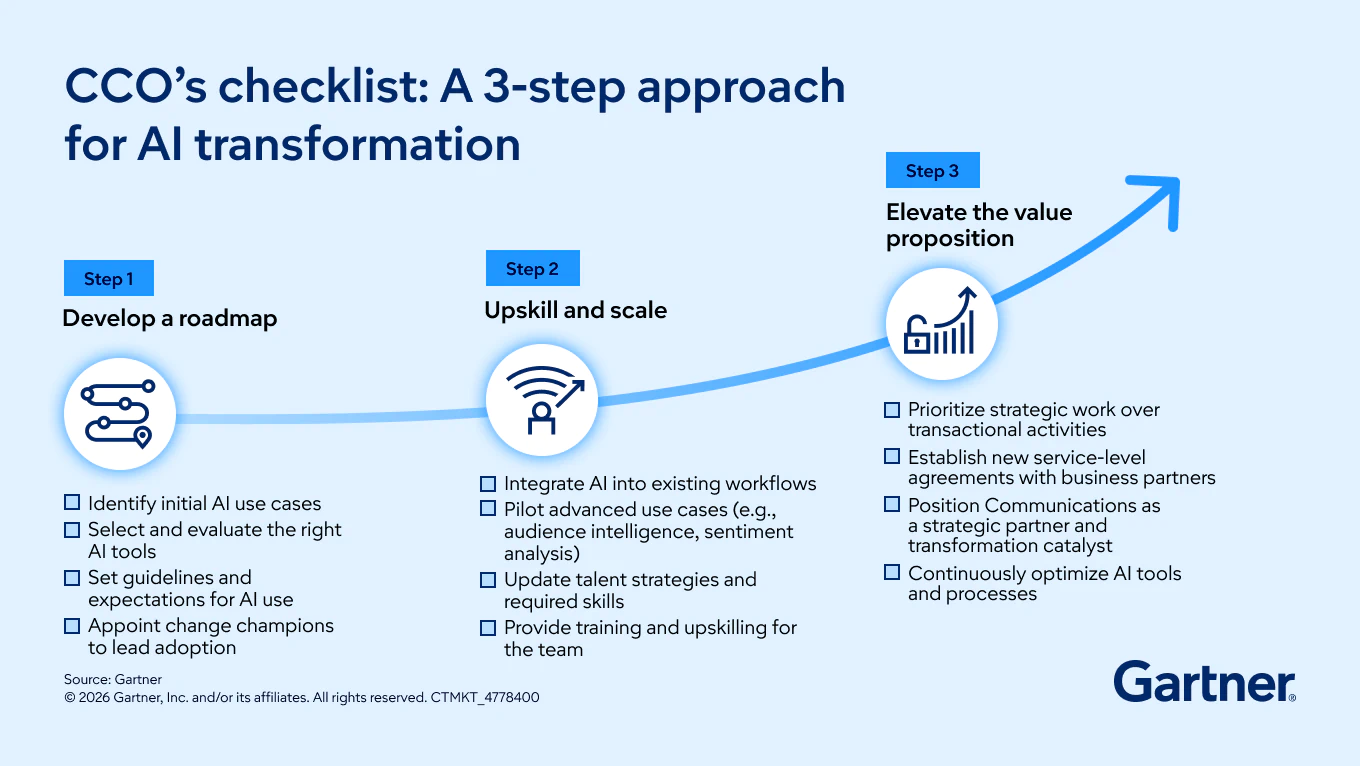
Team up with IT professionals to evaluate different AI platforms, tools, and options that align with your goals. Consider elements such as scalability, ease of combination, vendor credibility, and ongoing assistance. Go over with industry experts or specialists to help in technology assessment and choice. Prior to implementing AI on a big scale, it is advisable to pilot and test the technology in a regulated environment.
Carrying out AI in customer service includes considerable changes for both consumers and workers. Develop a comprehensive change management plan that attends to interaction, training, and support needs.
Communicate the objectives, advantages, and expected impact of AI adoption clearly to all stakeholders. When you have actually completed the necessary preparations, it's time to implement AI into your customer support facilities. Work together closely with your IT department or AI vendor to effortlessly incorporate the technology into your existing systems. Ensure correct information connection, system compatibility, and security steps are in place.
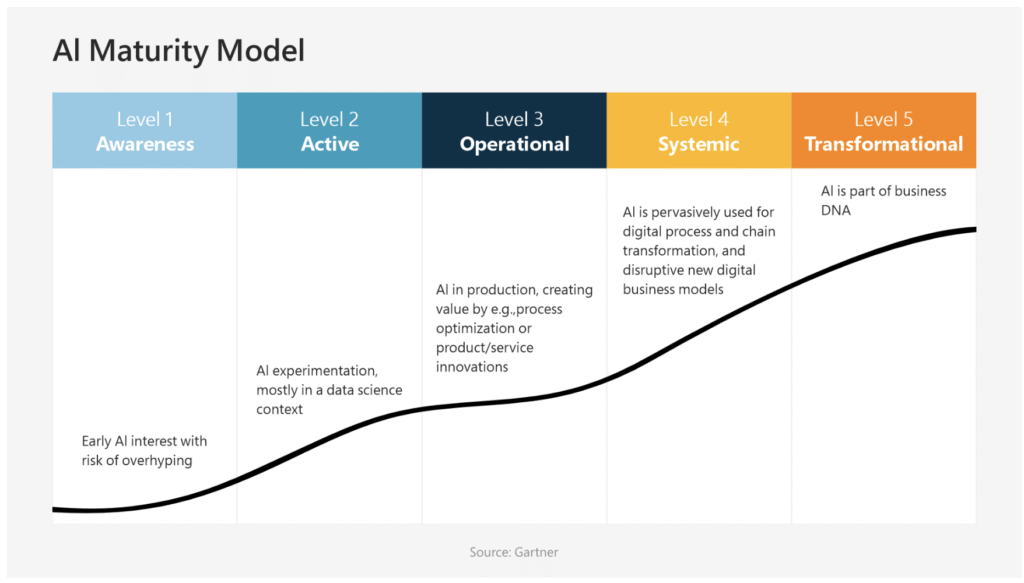
During the AI adoption procedure, closely screen and examine crucial efficiency signs (KPIs) associated to client service. Track metrics such as response time, first contact resolution rate, client satisfaction ratings, and agent efficiency. By comparing pre and post-implementation data, you can examine the impact of AI on these metrics and recognize areas for improvement.

Latest Posts

Enhancing Enterprise ROI With Cloud Modernization

Unlocking Business Growth Using Modern AI Platforms

Essential Technology Trends in AI-Cloud Integration