All Categories
Featured
This sustainability also affects SEO; online search engine have started to element in the carbon footprint of digital services, preferring companies that show environmental obligation in their IT operations. At the same time, is stepping out of the theoretical realm. While we aren't all utilizing quantum laptop computers yet, hybrid classical-quantum systems are already being utilized for complicated logistics optimization and drug discovery.
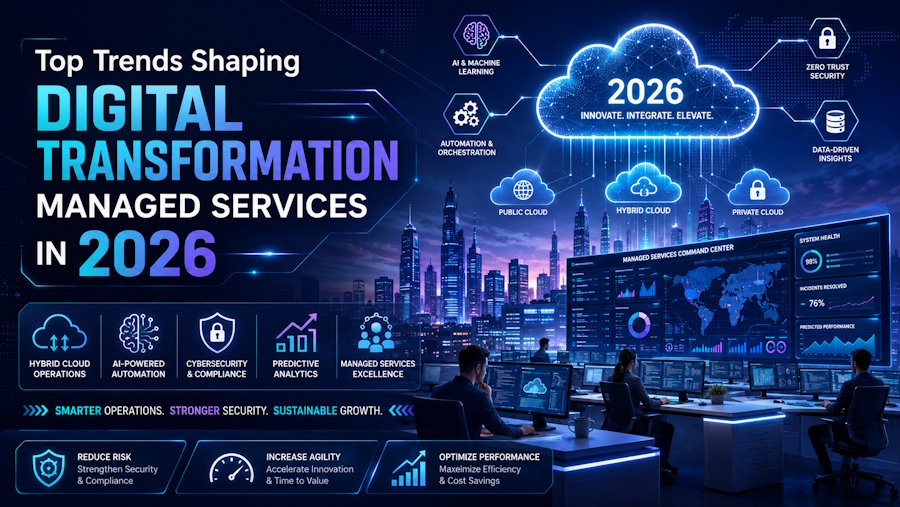
For large companies, quantum-enhanced information analysis will permit a level of SEO accuracy formerly thought impossible, such as anticipating search trend shifts weeks before they happen based upon global financial indications. In the realm of trust, and Web3 are growing. We have actually moved past the hype of digital antiques into "trustless" systems for supply chain transparency and fractional realty ownership.
These decentralized systems offer a brand-new layer of verifiable data that can be used to strengthen a company's E-E-A-T, as blockchain-verified qualifications become a requirement for digital authority. Scaling these technologies isn't without its "growing pains." Facilities expenses are the top issue for CIOs in 2026. The "token economics" of running massive AI designs can result in monthly costs in the tens of millions if not handled correctly.
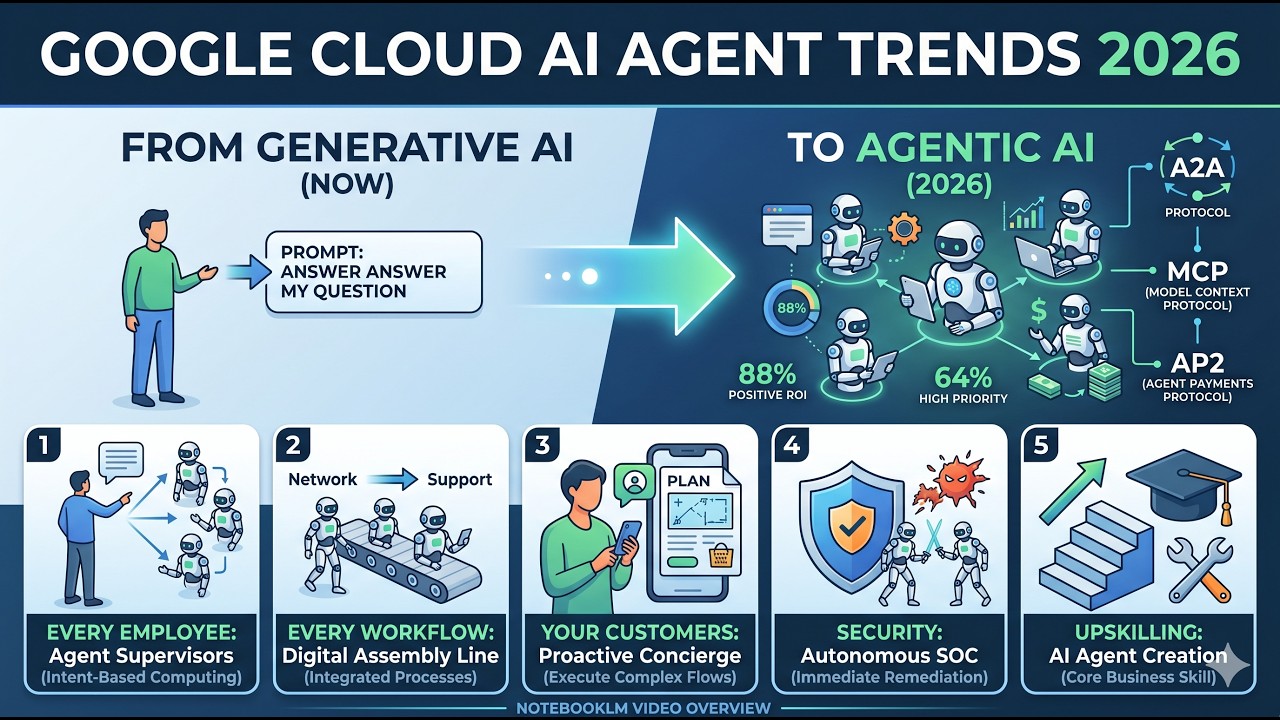
Designing the Future-Proof AI Strategy
For SEO, this means computing the ROI of technical enhancements not simply in terms of traffic, but in terms of infrastructure effectiveness and client acquisition cost. Cybersecurity has also gotten in a "machine-vs-machine" stage. With 81% of small companies experiencing a breach in the last yearand AI-powered attacks associated with over 40% of casesdefensive AI is now obligatory.

Latest Posts
Enhancing Enterprise ROI With Cloud Modernization
Unlocking Business Growth Using Modern AI Platforms
Essential Technology Trends in AI-Cloud Integration